

The Storage Crisis That Changed Our Operations
The clanging, metallic ring of a split steel barrel hitting a concrete floor is a sound that keeps warehouse managers awake at night. We knew we had to pivot. To stop these disasters before they happened, we moved our entire containment setup over to HDPE plastic drums—a shift that completely reshaped our daily workflow. It all traces back to a bitter winter in our Ohio shipping hub. Out of nowhere, carbon steel barrels corroded from the inside, giving way to a massive, messy spill. That single freezing afternoon drained forty thousand dollars in cleanup costs, froze our active assembly lines, and forced us into an urgent search for a container capable of surviving heavy drops and harsh chemical reactions. Moving from metal to high-density polymers taught us a harsh lesson. Choosing a container is not just a budget line item. It is the very backbone of how we manage risk.
The Chemistry of Unyielding Resilience
To see why we threw our support behind high density polyethylene barrels, you have to look down at the molecular level. This is where the magic happens. The polymer is built by polymerizing ethylene using specialized catalysts under low-to-moderate pressures and temperatures. The result is a series of long, straight molecular chains with almost no messy branching. Because these chains are so straight, they pack together with incredible tightness, creating a density between 0.941 and 0.965 grams per cubic centimeter. In daily operations, this tight packing gives us a vessel that resists heavy stretching, stands stiff under load, and remains nearly immune to environmental cracking.
During our testing phase, we pitted these new polymer containers against our old steel stock inside extreme temperature chambers. Steel is a rigid, unyielding material. Under mechanical stress or impact during temperature swings, its rigid walls can flex, which often cracks the brittle inner epoxy lining and leaves raw metal exposed to corrosive liquids. The poly drums behaved completely differently. They held their structural integrity beautifully across a massive thermal range, working safely from minus forty degrees up to one hundred and eighty degrees Fahrenheit. When dropped, the flexible plastic chains soak up the impact energy instead of cracking or permanently denting. A fully loaded polymer drum can drop several feet and flex back into shape without a scratch, whereas that same fall would split a steel seam or shatter a cheap, brittle plastic vessel. This microscopic toughness keeps both our expensive inventory and our warehouse crew safe.
Technical Specifications of HDPE Plastic Drums
Shifting to a new packaging standard meant we had to study the fine print to stay compliant across borders. Getting a handle on specific HDPE drum specifications is a must for any team moving hazardous liquids or touchy chemicals. We locked our focus on official UN ratings—the global yardstick for shipping hazardous goods safely.
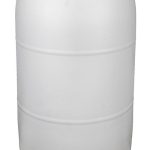
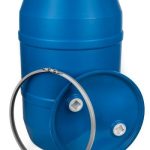
Our shipping crew focused on two main designs. First up is the tight-head drum, officially labeled UN 1H1. It has a sealed top with two small openings for pouring and filling. For liquids, this is the gold standard because the seamless, molded body has zero seams to fail. Then there is the open-head drum, known as UN 1H2. This one has a completely removable lid clamped down by a tough metal ring. It is perfect for thick pastes, solids, or materials we have to scoop out by hand. Before these drums ever reach our floor, they go through demanding trials. They are blasted with water pressure at twenty pounds per square inch and stacked three-high for twenty-eight days straight. Having this hard data on hand made our insurance agents and safety inspectors incredibly happy, taking the stress out of our shipping audits.
Meeting the Purest Standards for Consumables
Chemical compatibility is only half the battle. When we branched out into shipping food ingredients, we hit a whole new wall of rules. We needed containers that would never leach synthetic chemicals, ruin delicate flavors, or give bacteria a place to hide in microscopic wall cracks. That brought us to food grade HDPE containers. These drums are molded from pure, virgin resin with absolutely no recycled plastics mixed in. This pure build keeps us fully aligned with strict FDA Title 21 CFR section 177.1520 rules.
To prove it, our quality team ran a six-month test with raw organic honey. Honey is tricky—it is highly acidic and easily absorbs nearby smells, making it the ultimate test for container purity. The results were stellar. The polymer blocked all moisture and gas, keeping the honey tasting exactly as it should, with zero chemical drift. Plus, the slick inner walls are incredibly easy to wash down with hot steam or strong sanitizers, keeping batch-to-batch contamination at zero. This quick cleanup shaved thirty percent off our wash times. We now run a leaner inventory of barrels while moving the exact same volume of product.
The Financial Reality of the Switch
Any major buying shift has to justify itself on the balance sheet. In our case, the long-term savings left our original forecasts in the dust. Steel drums are heavy beasts, weighing up to fifty pounds when completely empty. When you ship thousands of them, that dead weight bloats your freight bills. Even worse, they dent, rust, and lose their inner coatings, often heading to the scrap heap or an expensive refurbishing shop after just two or three trips.
On the flip side, a fifty-five-gallon plastic drum weighs around twenty-two pounds. That cut our deadweight shipping costs nearly in half. Because the material is so tough, these drums easily handle over twenty round trips without showing any structural wear. When we tallied our total ownership costs over five years, we found that switching to polymer saved us more than eighty-five thousand dollars in replacement fees and fuel surcharges. When they finally wear out, we do not pay dump fees. Instead, we sell them to plastic recyclers. This loop turned our packaging department from a constant money drain into a shining example of thrift and green efficiency.
Practical Implementation and Operational Integration
Rolling out these new barrels across an active warehouse took some planning. We trained our forklift drivers on the new gear needed for polymer drums, since old metal lifters tend to slide right off slick plastic. We bought specialized radial clamps that grip the top rim of the drum tightly, ensuring safe moves across our concrete floors.
We also tweaked our rack layouts to match how these drums behave. While you can stack steel drums right on top of each other, plastic drums do much better on pallets to spread the weight around. We set up a system using heavy-duty plastic pallets with custom molded grooves that lock each drum base into place, stopping them from sliding around during quick moves or minor bumps. This simple setup kept handling accidents to a minimum, brought product spills down to zero, and gave our crew a much safer workspace.
Environmental Sustainability and Long-Term Viability
Beyond the immediate safety and cash benefits, moving to high-density polyethylene helped us hit our corporate green targets. Our clients care deeply about cutting industrial waste, and old-school metal drums often end up in landfills because of rust or nasty chemical residue. Since high-density polyethylene does not react with chemicals, it is incredibly easy to wash clean. Once its shipping days are done, the plastic is ground up and turned into pellets for other industrial products.
Our green audit revealed that using these plastic drums cut our carbon footprint by thirty-five percent over their lifespan compared to making and rebuilding steel barrels. This drop comes down to transport efficiency and reconditioning energy—the lighter weight reduces fuel consumption during transport, and cleaning a reusable plastic drum requires far less energy than the high-temperature thermal reconditioning or smelting required for steel. By making the switch, we brought our operations in line with global eco-standards, proving that smart industrial work and green values can live together comfortably.
Selecting the Right Container for Your Facility
Picking the right barrel means taking a close look at what you are shipping and how you move it. We suggest doing a deep review of your safety data sheets to match your chemicals with the right grade of plastic resin. Partnering with an approved packaging maker ensures you get the exact UN-rated container for your shipping channels, whether you use rail, ocean cargo, or standard semi-trucks.
We also recommend setting up a digital tracking system using RFID tags or barcodes right on the drum rims. This let us track exactly how many trips each barrel took, helping us retire old ones before tiny cracks could form. This preventive maintenance routine wiped out unexpected leaks in the field and helped us build a spotless safety record that our clients rely on.
Key Takeaways for Industrial Excellence
Switching to high-density polyethylene storage was one of the smartest business moves we have ever made. The shift wiped out the threat of rusty leaks, lightened our freight loads, and kept us fully compliant with strict food safety codes. By studying the specs, picking the right tight-head or open-head design, and training your team on proper handling, any facility can capture these same boosts in safety and speed. The numbers do not lie. The long-term savings prove that this tough polymer is still the undisputed king of industrial packaging.

 English
 Français du Canada
 Deutsch
 Português do Brasil
 Español de México
 Slovenščina
 Suomi
Suomi