
How to Optimize Your Facility with Plastic Drum Accessories
The blue barrel looked secure enough. Then, a worker tried to tilt it without the right gear. In a heartbeat, fifty-five gallons of thick, slick industrial surfactant escaped, gliding lazily across our polished concrete floor. It took us twelve hours of exhausting, hazardous work to scrub that mess, and we watched four thousand dollars in raw materials wash down the drain. That single, messy afternoon forced us to face a hard truth. Standard barrels are only as reliable as the gear you pair with them. To turn basic storage tubs into highly useful tools, managers must secure proper plastic drum accessories. Investing in the right tools to seal, pour, and move these heavy loads stops costly spills, protects workers from back pain, and keeps daily schedules running smoothly.
Why Plastic Drum Accessories Like Replacement Lids Are Crucial
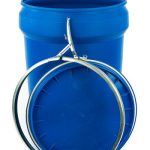
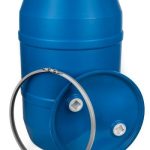
Our path to a better warehouse started with something incredibly simple. The humble lid. For years, we ignored the slow wearing down of factory-installed covers. We figured a lid was just a lid. We were wrong. That illusion died when ten thousand dollars worth of high-purity glycol pulled moisture straight out of the damp warehouse air through a worn bung seal. The entire batch became useless overnight. That costly mistake taught us to focus heavily on replacement plastic drum lids. These rugged closures are built to renew the strength of open-head barrels when standard tops warp from extreme weather or heavy stacking.
Finding the right lid means looking closely at gasket materials. Chemical compatibility is everything. EPDM gaskets stand up beautifully against polar solvents, acids, and ketones. For oils and petroleum-based liquids, you must use Buna-N seals. You also need to match the lid lock to how often you open the container. Quick-release lever-lock rings are perfect for drums you open every day. If you are shipping goods or storing them for months, heavy-duty bolt rings are much safer. To prevent leaks, crews should use precise torque wrenches to tighten bungs to the exact level the maker recommends. For plastic seals, this is usually between fifteen and twenty foot-pounds. This careful step stops evaporation, blocks dust, and satisfies shipping rules without hassle.
Enhancing Fluid Transfer with Specialized Pumps
Next, we had to solve the puzzle of getting liquids out of the barrels. Tipping a five-hundred-pound drum to pour chemicals into small jugs is a disaster waiting to happen. It leads to ruined floors and hurt backs. We stopped this danger by bringing in dedicated plastic drum pumps. When you want to make your liquid handling safer, choosing these specific pumps is one of the smartest moves you can make.
If you are moving thin liquids like water, light oils, or liquid soaps, simple hand-operated siphon pumps or hand-crank rotary pumps work beautifully. But when you handle harsh acids or strong cleaning chemicals, you have to look at what the pump is made of. Polypropylene pumps hold up well against mild acids and soaps. For harsh chemical solvents, you need tough materials like polyphenylene sulfide or PTFE. In busy plants, swapping hand pumps for air-powered or electric systems can drastically cut your transfer times. This upgrade speeds up the workday and keeps toxic fumes sealed inside, keeping your crew safe. After we installed pneumatic pumps on our blending line, chemical exposure events were virtually eliminated during a twelve-month tracking period.
Mobilizing Heavy Loads with Industrial Drum Dollies
Moving these heavy barrels across the plant floor was our last big headache. Our safety logs showed a rise in pulled muscles and sprained wrists. Every single injury came from workers trying to drag loaded drums across the concrete dock. Rolling in heavy-duty drum dollies changed everything. Alongside tight lids and safe pumps, these simple wheel setups are incredibly important for keeping your team safe.
To pick the right dolly, you must match the frame and wheels to your workspace. Food plants and sterile medical rooms need stainless steel frames. They handle harsh spray-down soaps and sanitizers without rusting. For a standard warehouse, high-impact polyethylene frames work great because they resist chemical corrosion and stay lightweight. Wheels matter just as much. Hard polyurethane wheels glide smoothly on flat concrete, while soft rubber wheels absorb bumps on rougher ground. Putting our drums on these specialized wheels shaved forty-five percent off our moving times and virtually eliminated back injuries over a twelve-month observation period.
Implementing a Systematic Safety and Efficiency Audit
Making your plant run better does not mean tearing down the whole building and starting over. Real success comes from fixing the small, daily friction points where workers interact with storage barrels. Checking your current setup with a close eye will show you exactly where things are failing. Start by swapping out old, weak seals for high-grade lids to keep your fluids pure. Next, bring in pumps that match your chemicals to stop dangerous spills and speed up pouring. Lastly, roll out easy-moving dollies to protect your workers from painful muscle pulls and get materials moving faster. These simple, smart upgrades protect your stock, keep your people safe, and keep your business moving forward without interruption.
 English
 Français du Canada
 Deutsch
 Português do Brasil
 Español de México
 Slovenščina
 Suomi
Suomi