
A Guide to Open Head Plastic Drums vs. Tight Head Barrels
Marcus stood frozen in the center of a chaotic Ohio chemical warehouse. Before him, operators were swearing under their breath, trying to force thick, sluggish epoxy resin through a tiny two-inch bung opening. It was like trying to squeeze cold molasses through a drinking straw. The mistake was simple but devastating: someone had ordered fifty tight head barrels instead of open-top containers. That single oversight drained twelve thousand dollars in ruined materials and stalled a major shipping contract for four long days. This logistical bottleneck highlights why container choice matters so much. When you handle heavy, stubborn materials, choosing the right open head plastic drums keeps your assembly line moving. This guide breaks down the design facts, rules, and hands-on handling realities that dictate which barrel to use.
Why Open Head Plastic Drums Offer Superior Access and Efficiency
Haunted by the epoxy nightmare, Marcus acted fast. He swapped out the high-viscosity inventory for open head plastic drums. Often called removable lid drums, these units feature a wide-open top secured by a heavy-duty lid and clamped down with a steel lever-lock or bolt ring. This design changes everything on the warehouse floor. Think about working with stubborn adhesives, thick silicone, dense food pastes, or dry pharmaceutical powders. Workers must scoop and scrape every last ounce. With a standard 55-gallon open head drum, a worker drops in a liner, pours with almost zero waste, and mixes ingredients directly inside using heavy paddles. The metal lever-lock ring creates a tight seal that endures repeated openings and closures throughout its service life. In California, a large food processing plant made this exact switch for their fruit concentrates. The result was a substantial reduction in product waste because crew members could easily reach the bottom corners of the container. That sort of operational win is massive when humans are doing the heavy lifting. Workers scoop, shovel, and pump without fighting a tiny hole. Less physical strain, fewer back injuries, and a much happier crew.
The Tight Head Barrel and the Security of Closed Systems
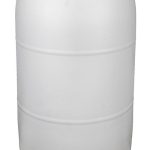
But wide-open access is a disaster waiting to happen when you handle watery liquids. Thin fluids demand an entirely different defense to prevent hazardous spills. This is the domain of the tight head plastic barrel. Unlike open-top containers, these barrels are blow-molded as a single, seamless piece of high-density polyethylene. The top and body are one. Two small openings, usually a two-inch and a three-quarter-inch bung, serve as the only access points. This design means there is no lid to pop off during a bumpy truck ride. Marcus relied on these closed top drums for low-viscosity chemicals, including industrial solvents and liquid fertilizers. During a simulated three-hundred-mile flatbed shipping test, these seamless barrels took a severe beating without dropping a single drip. Meanwhile, open lid drums under the same heavy vibration showed slight weeping around their gaskets. Furthermore, the solid top prevents rainwater, dirt, or dust from pooling on top and slowly contaminating the valuable payload inside.
Material Science and Structural Durability Under Stress
To make smart buying choices, you have to look closely at what these drums are made of. Both styles are shaped from high molecular weight high-density polyethylene (HMW-HDPE). This plastic shrugs off damage from harsh acids, bases, and organic chemicals, making it the backbone of industrial storage. Yet, the way they handle physical stress is totally different. Tight head drums get their strength from a continuous, unbroken cylinder wall. This lets you stack them three-high on the warehouse floor with confidence. Open head drums, however, rely on their closure rings to hold up under weight. When you stack filled open-top drums, the downward pressure pushes directly on the lid and ring. If those rings fail, the results are messy. Because of this, warehouses must ensure their steel lever-lock rings are rated for the heavy loads, often keeping stack heights lower than their tight-head cousins. Marcus set up a strict floor plan: tight head barrels were stacked three-high on heavy racks, while the open-top drums were kept to a safe limit of two-high to prevent the plastic lids from buckling over time.
Navigating UN Ratings and Regulatory Compliance Standards
Moving dangerous goods means obeying strict global shipping laws stamped right onto the plastic. These United Nations codes dictate exactly what goes where. A tight head drum carries a 1H1 mark, while an open head version is labeled 1H2. Getting these stamps requires surviving brutal drop tests, leak tests, pressure tests, and stack tests. Because tight head barrels are meant for liquids, they face severe pressure tests to ensure they will not burst when temperatures rise on a hot cargo ship or cargo plane. Open head drums are usually certified for dry goods or thick pastes, marked with an “S” for solids, though some high-grade models with specialty gaskets can hold liquids. Marcus built a tight safety system. His team matched every single chemical shipment to its exact UN rating before it left the loading dock. This eliminated costly regulatory fines and kept workers safe. He trained his logistics crew to check that any liquid in an open head drum met the pressure requirements, staying fully compliant with transportation department rules.
Operational Guidelines for Selecting Your Storage Container
Choosing between these two styles comes down to a few basic operational rules. First, check the thickness of your liquid. If it has a viscosity rating over ten thousand centipoise, like heavy paints, industrial glues, or resins, go with open head drums. It makes scooping and mixing incredibly simple. Second, look at your filling equipment. If your line uses automated nozzles that drop straight into small openings, tight head barrels are the obvious choice. Third, think about cleaning and reuse. Open head drums are simple to wash, sanitize, and use again, especially if you use disposable liners. This saves massive amounts of money in closed-loop shipping systems. Closed top barrels are notoriously difficult to clean inside because you cannot see or reach the corners easily. Cleaning them requires expensive rotating spray heads and chemical wash stations, which drives up labor costs. Smart managers weigh these factors against the initial price and the time it takes to fill and empty each drum.
Handling Equipment and Safe Warehouse Protocols
Moving these massive containers is a serious safety concern. A full 55-gallon drum can weigh over five hundred pounds, making manual handling dangerous. Tight head drums, with their molded plastic top rims, work beautifully with automated forklift attachments like parrot-beak clamps. But open head drums need extra care. If a vertical clamp is not adjusted perfectly, the removable lid and steel ring can slip. Marcus solved this safety risk by equipping his forklift fleet with specialized grabbers that cradle the belly of the open top drums instead of pulling them by the rim. Your choice of dispensing tools also matters. Tight head barrels are perfect for installing small faucets, hand pumps, or siphons directly into the two-inch bung, giving you a clean, controlled pour without exposing the chemical to the air. On the other hand, open head drums are ideal when you need to wrap them in drum heaters or insert large industrial mixers directly into the material.
Key Operational Takeaways for Industrial Drum Selection
Building a smart warehouse operation means matching the drum design to the material inside. To protect your team and avoid costly delays, focus on these main points. Use open head drums for thick substances, dry powders, and tasks that require mixing or manual scooping. Stick to tight head barrels for thin liquids, hazardous chemicals, and automated filling lines where spills cannot be tolerated. Always double-check the UN rating on the side of the drum to stay on the right side of the law. Finally, make sure your forklifts and clamps match the physical limits of each drum type. Applying these basic steps will save your materials, keep your workers safe, and keep your shipping schedules on track.


 English
 Français du Canada
 Deutsch
 Português do Brasil
 Español de México
 Slovenščina
 Suomi
Suomi