
How to Source Wholesale Plastic Drums: A Strategic Bulk Buying Guide
The Storage Crisis That Reshaped Our Operations
Three years ago, our warehouse floor was a disaster zone. We stood shin-deep in chemical puddles, watching our manufacturing line grind to a dead stop. The culprit was a batch of cheap, poorly made storage vessels from our old supplier that split open during shipping. That single failure cost us a fortune in ruined inventory, cleanup bills, and angry customers. It was a wake-up call. We had to rewrite our entire playbook for buying wholesale plastic drums, throwing out our messy buying habits for a tight, reliable setup. This guide lays out the hard-won steps, shipping workarounds, and supplier rules we put together so you do not repeat our mistakes. Learning how to work with reliable plastic drum distributors and managing shipping routes can cut your packaging costs by up to thirty-five percent. Let us look at how to secure durable bulk plastic barrels and find cheap plastic drums in bulk that will actually hold up.
The Chemistry of Selection: Finding the Right HDPE Grade
We used to think a blue barrel was just a blue barrel. That assumption cost us dearly. An online liquidator sold us a cheap batch, and within hours of filling them with industrial solvents, the walls sagged like wet cardboard. That painful lesson introduced us to High-Density Polyethylene—HDPE—and the strict rules of United Nations packaging grades. This plastic is tough. It withstands harsh chemicals and rough handling without flinching.
When buying, you have to verify the exact resin grade used during blow-molding. For food uses, the plastic must comply with FDA 21 CFR 177.1520 regulations to ensure the resin is safe for direct food contact and prevent substances from migrating into your goods. We demand certificates of compliance for every food-grade barrel we buy now. No exceptions. Then there is the United Nations stamp. A UN marking like 1H1/Y1.9/150 indicates a tight-head plastic drum certified for Packing Groups II and III, tested to handle liquids with a specific gravity up to 1.9 and a hydrostatic test pressure of 150 kPa. Matching this rating to your liquid’s weight is the best shield against a highway spill.
Navigating the Landscape of Plastic Drum Distributors
Searching for a reliable supplier was brutal. We waded through dozens of middle-men who did nothing but add a twenty percent markup. We tried calling the big factories directly, but they laughed us off because our order sizes were too small. That forced us to get smart about vetting regional plastic drum distributors who actually keep stock on hand and offer decent terms.
We created a strict checklist to sort the pros from the amateurs. First, we favor distributors with their own delivery trucks. It cuts out third-party shipping markups and delays. Second, we demand stocking agreements. They hold three months of our inventory and send it only when we need it. This freed up our warehouse space and kept cash in our pockets until the drums actually arrived on our dock. Always ask for their paperwork. If they cannot show a clean ISO 9001 certificate or proof of regular plant audits, run away. They will eventually send you junk. Go visit their yard too. Make sure those empty drums are stored indoors, away from the sun, because sunlight ruins HDPE over time.
The Logistics Puzzle: Eliminating the Cost of Shipping Empty Air
Our first freight bill for empty drums made us sick. We were paying thousands of dollars just to haul empty space across three state lines. It completely wiped out our bulk savings. We had to learn the shipping game fast.
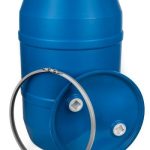
The big choice comes down to open-head versus tight-head styles. While standard drums are straight-sided, certain open-head drums are designed with a slight taper, meaning they can nest inside each other. This nesting design lets you pack significantly more drums into a fifty-three-foot trailer. Tight-head drums with fixed tops cannot nest. To ship tight-heads without going broke, we partner with regional haulers, grabbing cheap backhaul rates when trucks are returning empty. We also set up double-stacked pallets wrapped in thick plastic with cardboard caps. This uses every inch of trailer height and stops the drums from banging around. These changes dragged our shipping cost from twelve dollars down to just four dollars and fifty cents per drum.
Understanding the True Cost of Wholesale Plastic Drums
When budgets are tight, cheap prices are hard to resist. We fell for it once. We bought a trailer of cheap plastic drums in bulk from an online seller who promised brand-new barrels at half price. When they arrived, we smelled the truth. They were recycled drums made from ground-up scrap. They had a chemical odor that ruined a huge batch of our cosmetic ingredients.
Going cheap brings massive risks. Used, washed-out drums work fine for waste or basic industrial liquids, but never put food, medicine, or pure ingredients in them. If you do go the recycled route, make sure the seller is approved by the Reusable Industrial Packaging Association. For brand-new HDPE wholesale plastic drums, aim for bulk price breaks. Most suppliers offer big discounts at five pallets, ten pallets, or full truckloads of two hundred and forty fifty-five-gallon drums. We combined our yearly orders into fewer, larger shipments, which scored us a twenty-eight percent discount and kept our supply closet full of clean, virgin plastic.
Practical Quality Checks for Incoming Shipments
Now, our crew checks every single delivery of bulk plastic barrels. We learned the hard way that a tiny, invisible hole in a plastic seam can cause slow leaks that destroy concrete floors and bring inspectors down on our heads.
The test starts before we even unload. We sniff the truck trailer for chemical smells, water, or grime. Once the barrels are on the dock, we look for stress marks—white patches in the blue plastic that show they were banged around. We check the screw threads too. Damaged threads mean a bad seal, which leads to leaks. For hazardous liquids, we perform a leakproofness test in accordance with UN standards. We plug the openings, apply a constant internal pressure of 3 psi (approximately 20 kPa), and spray soapy water on the seams and closures. If it bubbles, we send them back. This five-minute test saved us from dozens of messy spills and gives us the proof we need to hold our suppliers to their promises.
Actionable Strategies for Your Procurement Journey
Managing your packaging supply takes careful planning. Our shift from a flooded warehouse to a smooth-running operation taught us that the cheapest price tag often costs the most in the end. Stick to the right FDA and UN grades of HDPE to keep your products safe. Work with local, certified sellers who will hold stock for you. Finally, watch your shipping setups and inspect every batch that arrives. These steps will protect your bottom line and keep your operations running without a hitch.

 English
 Français du Canada
 Deutsch
 Português do Brasil
 Español de México
 Slovenščina
 Suomi
Suomi