
How to Clean Plastic Drums and Recondition Them Safely
The Anatomy of a Used Container
Every blue or black barrel stacked in our yard arrived with a history. Some carried sweet food syrups; others held harsh solvents that could eat through concrete. Reclaiming them is not just a job. It is a puzzle. Learning how to clean plastic drums the right way keeps people safe and prevents toxic disasters. These vessels are molded from High-Density Polyethylene, or HDPE. It is incredibly tough stuff, built to withstand brutal chemicals without bursting. But that toughness hides a secret. At a microscopic level, HDPE is semi-crystalline and subject to chemical permeation. Over weeks or months, certain liquids resting inside can slowly seep into the plastic matrix itself, leaving behind deep-seated residues. Before we ever turn on a pressure washer, we have to play the part of forensic chemists, tracing the exact ghost of whatever lived inside that barrel.
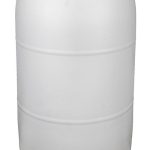
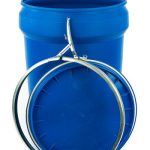
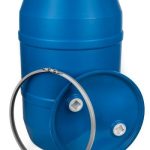
We start by reading the scars and stamps. We look closely at the faded paper stickers and the permanent UN codes stamped near the bottom rim. This series of letters and numbers tells us exactly how the drum was born. If we spot the code 1H1, we know we are dealing with a tight-head drum with its top permanently sealed shut, featuring only two small bung holes. A code of 1H2 means an open-head drum with a lid that pops off entirely. This simple code dictates our whole plan. A tight-head requires specialized, narrow spinning nozzles to reach the hidden shoulders, while an open-head lets us scrub directly.
Our absolute bible is the Safety Data Sheet, the SDS. If a client cannot produce this sheet, we reject the drum immediately. No exceptions. We cannot risk washing a mystery. Some barrels held nasty toxins, heavy oils, or fast-evaporating solvents that can knock a worker unconscious. We separate these troublemakers immediately. A drum stained with thick chlorinated paraffin will not budge with water; it demands a dedicated solvent wash. On the other hand, a barrel that held simple water-based craft paint cleans up with far less fuss. Matching the wash to the chemical profile is the only way to avoid toxic gas clouds or sudden, violent reactions inside our wash bay. It keeps our crew breathing clean air.
Erecting the Safe Sanctuary
Prepping the workspace for washing 55 gallon drums is like building a bunker. We do not just wash them out on the gravel. Every rinse happens inside a heavy containment bay built to catch every single stray drop of wastewater. The floor is thick concrete, sealed with a dense layer of novolac epoxy. This shield stops acids and aggressive solvents from chewing through the floor or leaking down into the local soil. Everything drains into a deep central channel that leads to a collection pit, keeping our boots dry and the ground protected.
Safety gear here is a serious business. Our workers dress like astronauts before stepping into the wash bay. They pull on thick, protective Tyvek suits that repel both splashes and invisible vapors. On their hands, they wear heavy nitrile gloves, at least fifteen mils thick, pulled high over their wrists and taped down. Their boots are steel-toed rubber, built to grip wet floors and resist chemical spills. But the real shield is the full-face respirator. It seals tight against the face, using heavy-duty filters to block organic vapors, acid fumes, and tiny floating droplets.
Static electricity is a silent, deadly threat. Dragging a plastic drum across dry concrete can build up a massive charge, much like rubbing a balloon on your hair. If there are flammable vapors lingering inside, one tiny spark can blow the barrel to pieces. We stop this danger cold. Because standard plastic is non-conductive, we cannot simply clamp the exterior. Instead, we insert a specialized grounding probe directly into the liquid to safely drain any static charge. This line runs directly to a copper rod driven ten feet deep into the dirt outside, draining away the hidden electricity before it can cause a spark.
Step-by-Step: How to Clean Plastic Drums
Getting these barrels spotless is a three-part ritual of chemistry and raw physical force. We have spent years perfecting this method, aiming to get the plastic perfectly clean without wasting thousands of gallons of water.
First comes the extraction. We slide a thin Teflon tube connected to an air-powered pump right down to the bottom of the barrel. This sucks out the leftover liquid, which we call the heel. People are often shocked that an empty-looking drum can yield a full liter of concentrated chemical waste. We pump this heavy waste into secure steel salvage drums, keeping it separate for safe disposal. With the thick sludge gone, we blast the inside with a quick shot of cold, pressurized water. This initial rinse knocks loose the heavy surface crud so it does not dilute our main cleaning wash.
Next, we apply the chemistry. If the drum held acidic mixtures, we pump in a buffered alkaline wash with five percent sodium hydroxide. This neutralizes the acid, steering the internal pH back to a safe, neutral seven. If the barrel is coated in heavy grease, thick oils, or stubborn wax, we use a biodegradable soap blend. We heat this liquid to exactly one hundred and sixty degrees Fahrenheit with our boiler. This heat thins out the heavy grease, allowing the soap to grab the oil molecules and lift them away from the plastic walls. We plug the drum, lay it sideways on a motorized roller, and spin it at thirty revolutions per minute for fifteen full minutes. This action splashes the hot wash against every single internal surface.
Finally, we bring in the heavy water pressure. We move the barrel to our wash rig and lower a spinning, three-dimensional nozzle through the narrow two-inch opening. This special head spins on two axes at once, spraying in every direction. We pump clean water through it at a massive three thousand pounds per square inch. This intense pressure acts like a liquid chisel, tearing away any remaining chemical film or soap residue. It scrubs the hard-to-reach upper corners where residue loves to hide. We finish the wash with a pure, deionized water rinse to make sure the interior dries without any mineral spots.
The Inspection and Structural Verification
Washing is only half the story. To truly bring a barrel back to life, we have to prove it is clean and structurally sound. Every single drum must pass through several strict checkpoints before we can stamp it ready for service.
Our first test is a visual and sensory check. We lower a bright, spark-proof LED light wand into the dark interior. A technician peers through the narrow opening, hunting for stains, rough spots, or leftover film. If the plastic looks cloudy or discolored, we reject it and send it right back to the wash bay. We also use a sensitive electronic nose, a photoionization detector, to sniff the air inside the barrel. This device sniffs out chemical vapors down to parts per million, confirming that no invisible fumes are trapped inside the plastic pores.
Next comes the leak test, a vital step to ensure the drum will not leak on a bumpy highway. We twist in the plugs with fresh EPDM gaskets, then dunk the entire barrel into a giant tank of clear water. We pump in compressed air until the drum is holding twenty kilopascals of pressure. For thirty long seconds, our inspector watches the water. If even a tiny trail of bubbles escapes, it means there is a hairline fracture or a weak seam. That drum is immediately rejected, shredded, and sent to a plastic recycler.
The drums that pass are blasted with hot, dry air at one hundred and forty degrees. This fast-drying step stops mold or bacteria from growing inside the damp interior. Finally, we take an orbital sander with eighty-grit paper to the outside. We grind away old labels, sticky adhesive, and scuffs, leaving a smooth, clean surface that looks fresh and ready for a new label.
Environmental Stewardship and Wastewater Management
Giving these barrels a second life is great for reducing waste, but the cleaning process itself cannot become a threat to the earth. Handling the dirty wash water is a massive responsibility governed by strict laws.
The Environmental Protection Agency monitors container wash facilities under the Resource Conservation and Recovery Act. By these rules, a barrel is only considered empty if we have pulled out every bit of liquid possible, leaving less than an inch of residue. This means the very first rinse water we collect is legally hazardous waste, and we treat it with absolute care.
We run our own wastewater plant right here on site, operating around the clock. The dirty water flows into a large tank where we balance the pH to a neutral level between six point five and eight point five. Next, it goes through a separator that pulls out floating oils and grease. We then run it through a flotation unit to catch tiny floating particles, and finally through thick beds of active carbon. This carbon acts like a giant sponge, trapping any remaining chemical molecules. By the time the water leaves our facility, it is clean enough for the city sewers. We test this water daily to make sure we never exceed our strict environmental limits.
A Sustainable Future for Industrial Packaging
Giving plastic barrels a second life is a quiet triumph for the circular economy. When we master the art of cleaning these containers, we keep heavy polymers out of landfills and help businesses save money on packaging. This work demands absolute discipline. It requires careful chemical tracking, stubborn safety habits, and deep washing. Doing this right means a reconditioned drum will perform just as well as a brand-new one, protecting the cargo and the earth alike. Following these steps turns what was once industrial waste into a reliable, lasting resource.
 English
 Français du Canada
 Deutsch
 Português do Brasil
 Español de México
 Slovenščina
 Suomi
Suomi