
A Comprehensive Guide to Selecting Plastic Drums for Chemical Storage
The Costly Leak That Changed Our Entire Safety Protocol
The air in our Ohio distribution warehouse grew thick with a sharp, metallic tang. It was vaporized hydrochloric acid, the first warning of a disaster. A microscopic, near-invisible pinhole had split the welded seam of a lined steel drum, permitting the ravenous acid to chew through the outer iron shell and spill onto the concrete floor. That single failure triggered a frantic emergency response, high-stakes hazardous cleanup, and agonizing facility downtime. The final bill reached forty thousand dollars. That grim afternoon forced us to overhaul our entire containment strategy. We had to rethink how we shield our workforce from hazardous materials. Searching for the ideal plastic drums taught us a vital lesson. Material compatibility is not merely a dry spec sheet entry. It is a protective science. This guide details our hard-won pairing rules and safety steps to help you secure your own facility.
We quickly saw that relying on steel for corrosive liquids was an outdated habit. Shifting to chemical resistant barrels made of high-grade polymers made perfect sense, but the switch involved far more than trading metal for plastic. We had to learn the fine details of molecular structures, factory processes, and global safety standards. Our crew’s safety and our inventory’s security depended on it. Storing hazardous fluids in polymer vessels demands a profound respect for materials science and day-to-day warehouse realities.
The Molecular Shield of High-Density Polyethylene
To see why polymer triumphs where metal fails, we have to look close, down to the molecules. During our safety review, we realized our floor crew treated all plastics as identical. That was a hazardous mistake. Most plastic drums designed for chemical storage are shaped from high-density polyethylene, or HDPE. This material features long, unbranched polymer chains packed tightly together. This tight arrangement creates a dense, highly crystalline barrier. Think of it as molecular chainmail. It stops aggressive chemical agents from slipping between the polymer links and degrading the container walls.
We also introduced polypropylene drums to our specialized lines. Polypropylene handles heat far better than HDPE, rendering it the perfect fit for bottling liquids at high temperatures. HDPE begins to soften around eighty degrees Celsius. Polypropylene, however, holds its shape up to one hundred and twenty degrees Celsius. We designated polypropylene for our hot-fill lines, leaving the bulk of our room-temperature acids and bases in HDPE. Knowing these heat limits prevents sudden structural collapses when storing chemicals under shifting temperatures.
The Rosetta Stone of Chemical Packaging
There we were on the concrete floor, magnifying glass in hand, squinting at the cryptic string of codes stamped near the base of a new blue drum. Those letters and numbers are not random factory jargon. They are United Nations packaging symbols, the global language of industrial safety. Mastering this code is the single most vital step to prevent drum failures. A standard mark starts with the UN symbol, followed by a string like 1H1 or 1H2. The number one stands for a drum. The letter H means plastic. A trailing one indicates a tight-head drum with a sealed top. A two indicates an open-head design with a removable lid.
Right after this code sits the packaging group letter, showing the hazard level the barrel can safely contain. An X rating denotes Packing Group I, tested for high-danger chemicals like concentrated nitric acid. A Y rating means Packing Group II for mid-level hazards, while a Z rating is for Packing Group III low-hazard materials. We wrote a strict rule for our facility: our chemical resistant barrels must meet or exceed the hazard class of the liquid inside. If a substance calls for a Y-rated drum, we often buy an X-rated model to build a generous safety margin. We also align these ratings with the specific gravity of our liquid payloads. For instance, storing a heavy chemical like ninety-eight percent sulfuric acid, which has a specific gravity of one point eighty-four, in a drum rated only for a specific gravity of one point two is a recipe for disaster. Under that intense hydrostatic pressure, the plastic walls will warp and eventually burst.
Silent Threats of Permeation and Environmental Stress Cracking
Plastic never rusts, but it hides its own subtle flaws. We had to learn these vulnerabilities the hard way during our safety overhaul. The first quiet hazard we faced was permeation. This is a physical process where volatile organic solvents creep through the microscopic spaces between polymer chains without visibly harming the plastic. We noticed this when a closed room of toluene drums began to smell sweet, even though every single cap was tightly sealed. The solvent was escaping right through the solid plastic walls. Our fix was fluorination. In this process, factory machines expose the drum to fluorine gas during molding, forming a thin, highly resistant fluorocarbon barrier on the inner skin. This barrier blocks the solvent molecules, making the chemical resistant barrels completely impervious to hydrocarbons.
The second quiet threat is environmental stress cracking. This happens when a plastic drum bears a heavy physical load while in contact with soaps, surfactants, or wetting agents. These fluids do not eat the polymer directly. Instead, they speed up the growth of tiny fractures in high-stress zones, like the bottom rim or around the bung openings. We solved this by purchasing drums molded from specialized resins with high resistance to stress cracking, measured by standard ASTM testing. We also set a firm rule: never reuse a drum showing any warping or white stress marks along the seams.
The Compatibility Matrix for Safe Storage
To make our transition smooth, we drew up a strict compatibility chart that took all the guesswork away from our warehouse team. We sorted our chemical inventory into clear groups and paired them with matching drum types. For highly concentrated oxidizing acids like nitric acid above fifty percent, we avoided polyethylene entirely because it causes severe oxidative degradation, opting instead for specialized fluoropolymers or compatible alloys. For organic solvents like acetone and alcohols, we selected heavy polypropylene chemical drums because they resist swelling and softening. We also banned the storage of chlorinated solvents in standard polyethylene for long periods. Those compounds slowly dissolve into the plastic, robbing the drum of its strength.
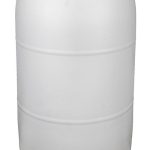
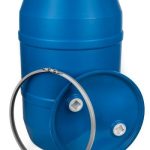
We also looked closely at the design of the drum openings. For highly volatile liquids that release hazardous vapors, tight-head drums with double bung openings are mandatory. These containers have built-in pouring and venting ports that stay sealed during transport and storage, lowering the risk of spills. Open-head drums, which have a fully removable lid clamped down by a metal lever ring, are kept only for thick liquids, pastes, and solids. Putting a highly volatile liquid chemical in an open-head drum is a serious safety mistake that invites vapor leaks and environmental trouble.
Optimizing Your Environment for Plastic Drums for Chemical Storage
Picking the right plastic drums for chemical storage is only half the battle. The physical space where they sit decides how long they actually last. During our summer safety checks, we kept a close eye on outdoor yards where drums baked in the sun. Ultraviolet light is a silent destroyer. It snaps the polymer chains in plastic barrels, making them brittle over time. To stop this, we shifted all outdoor storage to drums mixed with carbon black or specialized UV stabilizers, which soak up the radiation and release it as harmless heat. We also changed our rack setups to spread weight evenly, keeping any single drum from bearing high-pressure points that could cause a collapse.
Temperature swings also play a major part in how well a drum holds up. While extreme cold makes plastics more brittle, UN-rated plastic drums are strictly drop-tested at minus eighteen degrees Celsius to ensure they do not shatter under impact in freezing conditions. Even so, we insulated our chemical storage warehouses to keep temperatures steady between ten and twenty-five degrees Celsius. This climate control keeps the containers tough and prevents the chemicals inside from freezing, crystallizing, or spoiling.
Key Operational Takeaways for Safe Containment
Our shift from traditional steel to advanced polymer containment completely changed our safety record. We have not seen a single leak in the five years since we set up these rules. Reaching this level of safety demands discipline in how we choose and care for our barrels. First, always verify the raw plastic type and match it directly to the chemical family of your liquid. Second, never ignore those UN markings. Always match the packaging group and specific gravity rating to the actual hazard level of your liquids. Third, use fluorinated drums for volatile solvents to stop hazardous chemical vapors from seeping through the walls. Finally, shield your drums from direct sun and extreme cold to preserve their strength and flexibility. Shifting to engineered plastic containment is the single best step a facility can take to wipe out rust risks, keep workers safe, and ensure environmental compliance.

 English
 Français du Canada
 Deutsch
 Português do Brasil
 Español de México
 Slovenščina
 Suomi
Suomi